

What Is Keyword Cannibalization?
Keyword cannibalization happens when multiple pages compete for substantially the same search intent. Learn how to identify cannibalization, when it becomes an SEO problem, and how to fix overlapping pages.
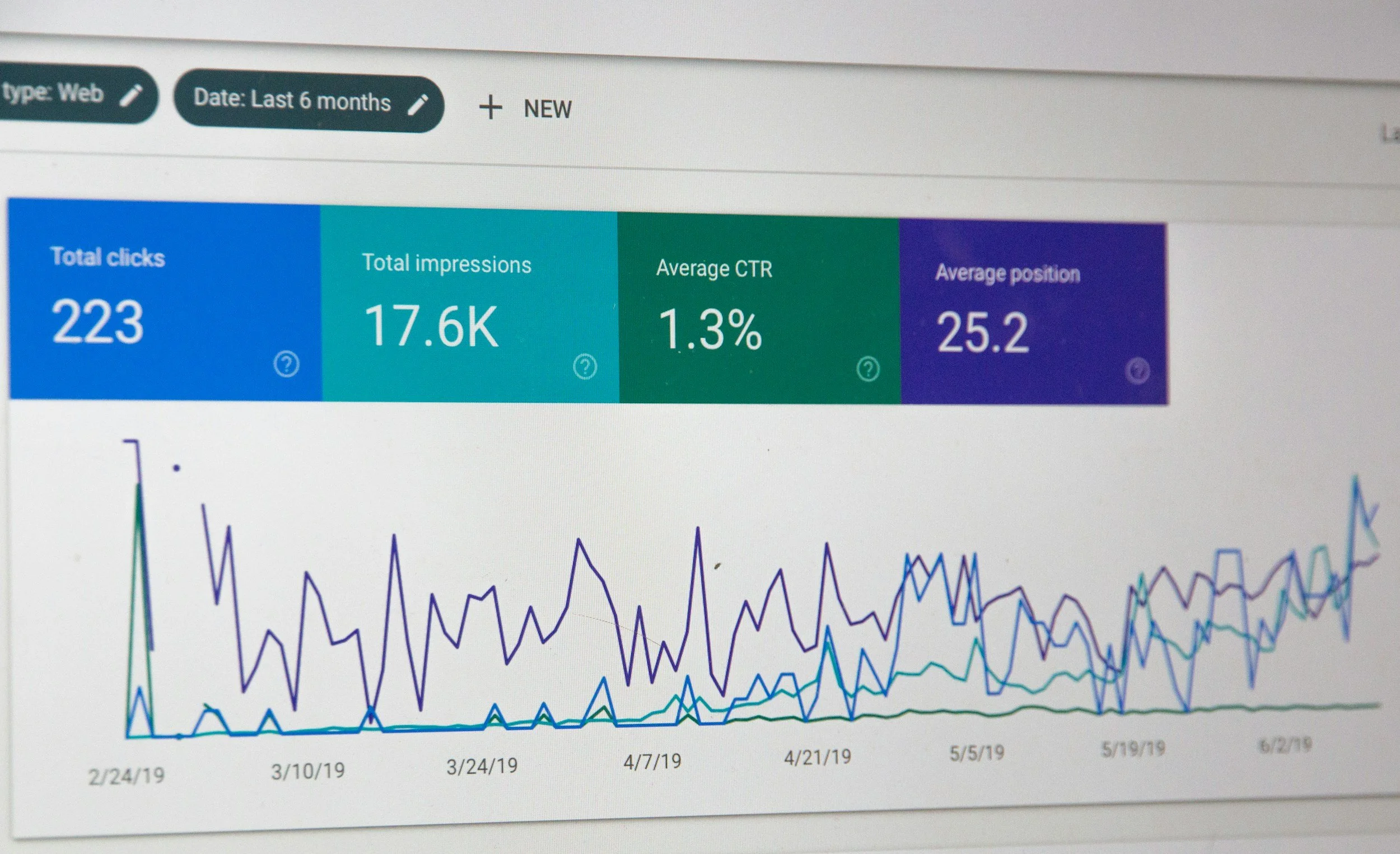
What Is Google Search Console?
Google Search Console is a free Google platform for monitoring how a website performs in organic search. Learn how it tracks queries, rankings, indexing, Core Web Vitals, links, sitemaps and technical SEO issues.

What Are SERP Features?
SERP features are enhanced elements that appear in Google search results beyond traditional organic listings. Learn the most common SERP features, how they influence visibility and clicks, and why they matter for SEO.
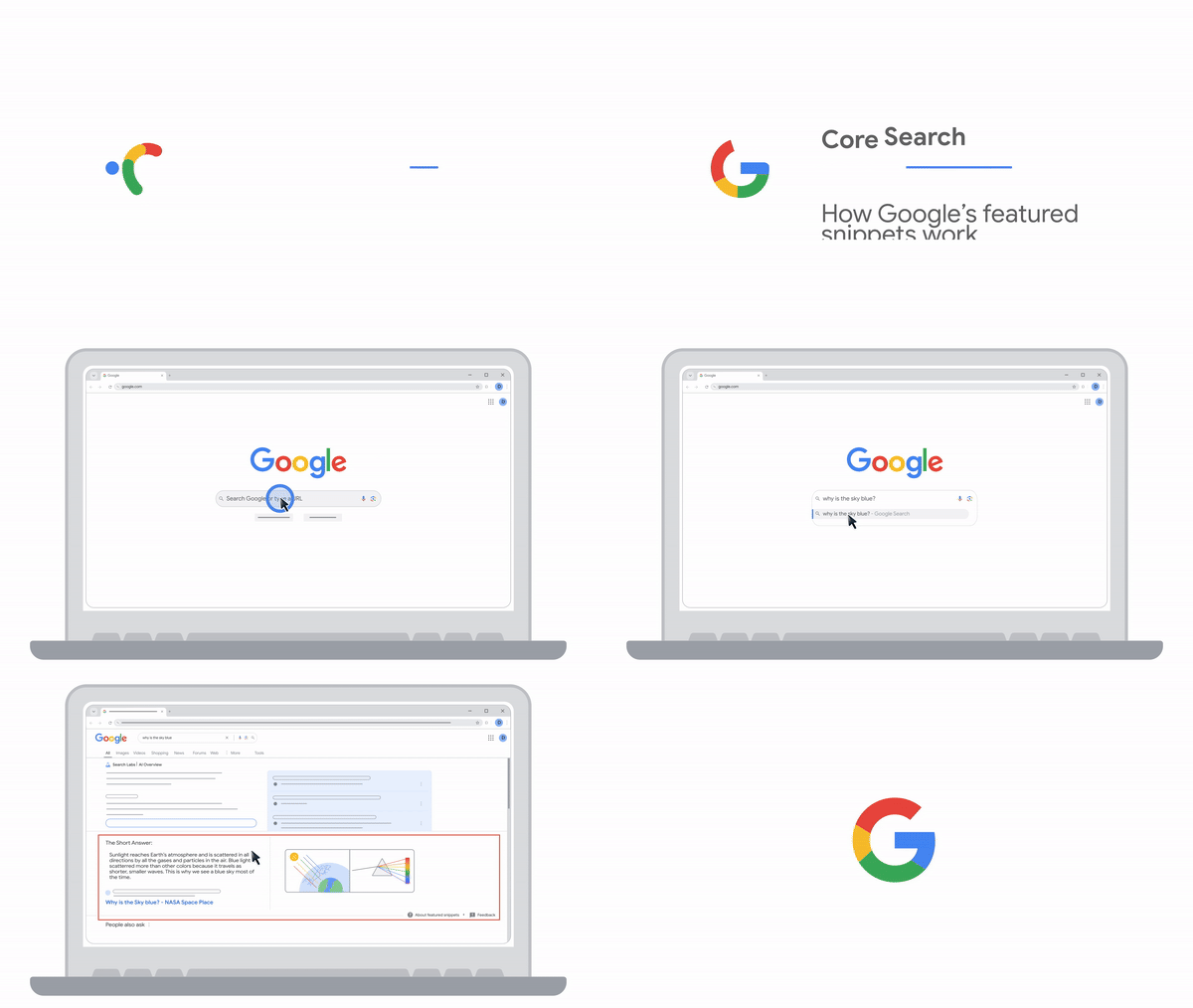
What Is a Featured Snippet?
Featured snippets are highlighted Google search results that provide quick answers directly on the search results page. Learn how they work, the different types of featured snippets, and how to optimize your content for a better chance of earning one.

What Is Internal Linking?
nternal linking connects pages across your website to help users navigate, search engines discover content, and authority flow toward important pages. Learn how internal links support SEO, site architecture, topic clusters, anchor text, and organic visibility.
What Is a Canonical Tag?
A canonical tag identifies the preferred URL among duplicate or highly similar pages. Learn how canonicalization works and how it interacts with redirects, sitemaps, and internal links.
What Are Local Citations?
Learn how local citations support Local SEO, what makes a citation valuable, how to fix inconsistent business information, and which directories and industry listings are worth prioritizing.
What Are Google Core Updates?
Learn what Google core updates are, why rankings can change during an update, how to diagnose traffic losses, and what businesses can do to improve and recover their organic search visibility.

What Is NAP Consistency?
NAP consistency means keeping a business’s Name, Address, and Phone number accurate across its website, Google Business Profile, directories, and citations.

What Is Topical Authority?
Topical authority describes strong, interconnected coverage of a subject. Learn how content depth, topic clusters, internal linking, original research, and external authority work together.

What Is a 301 Redirect?
A 301 redirect permanently sends an old URL to a new destination. Learn how to preserve traffic and authority during URL changes, website redesigns, and migrations.
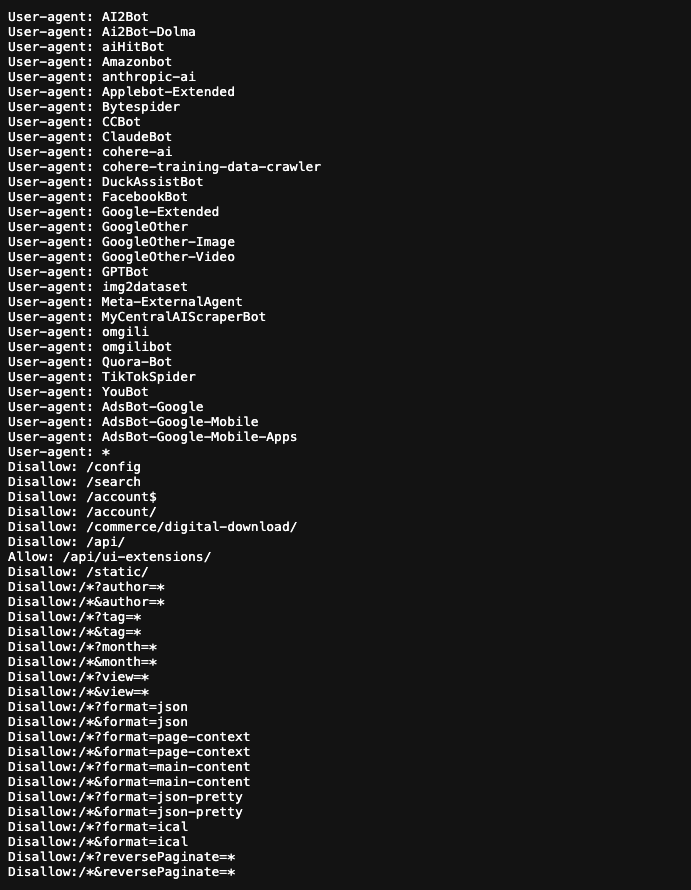
What Is Robots.txt?
Robots.txt gives compliant search crawlers instructions about which website paths they can access. Learn the difference between crawl control, noindex, canonicalization, and access protection.

What Is Hreflang?
Hreflang helps search engines understand alternate language and regional versions of a webpage. Learn about language codes, x-default, reciprocal tags, canonicals, and Canadian multilingual SEO.
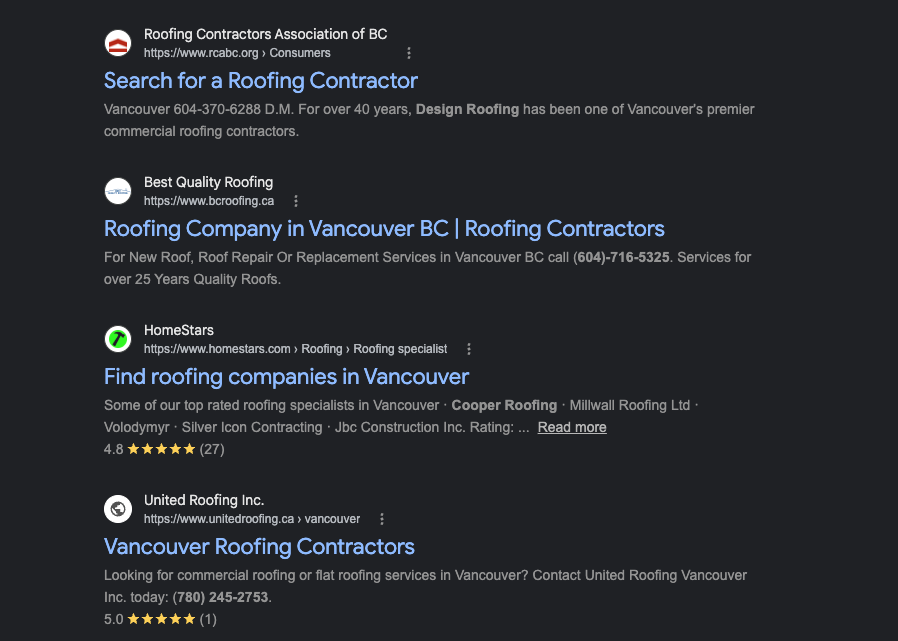
What Is a Title Tag?
A title tag is an HTML element that identifies the title and topic of a webpage. Learn how title tags influence search relevance, result presentation, and click decisions.
What Is a Meta Description?
A meta description summarizes a webpage for search engines and users. Learn why it is not a direct ranking factor, when Google rewrites it, and how to improve search-result presentation.

What Is Anchor Text?
Anchor text is the clickable wording within a hyperlink. Learn how descriptive, branded, exact-match, partial-match, and natural anchors work across internal links and backlinks.
What Is an XML Sitemap?
An XML sitemap is a machine-readable list of important website URLs. Learn how sitemaps support discovery, indexing analysis, Search Console, and technical SEO.

What Is Duplicate Content?
Duplicate content is identical or highly similar content available through multiple URLs. Learn why duplication is usually a canonicalization issue rather than a Google penalty.

What Are Nofollow, Sponsored, and UGC Links?
Nofollow, sponsored, and UGC are HTML link attributes that describe different link relationships. Learn how each works and why a nofollow link is not automatically worthless.

What Is Image SEO (Alt Text)?
Image SEO helps images load efficiently, remain accessible, and provide useful context to search engines. Learn how alt text, filenames, compression, dimensions, and original imagery fit together.